
Resonance: A Plague Tale Legacy Resonance Ending Explained
Full spoilers for Chapters 11–14, the labyrinth, and the credit sting.
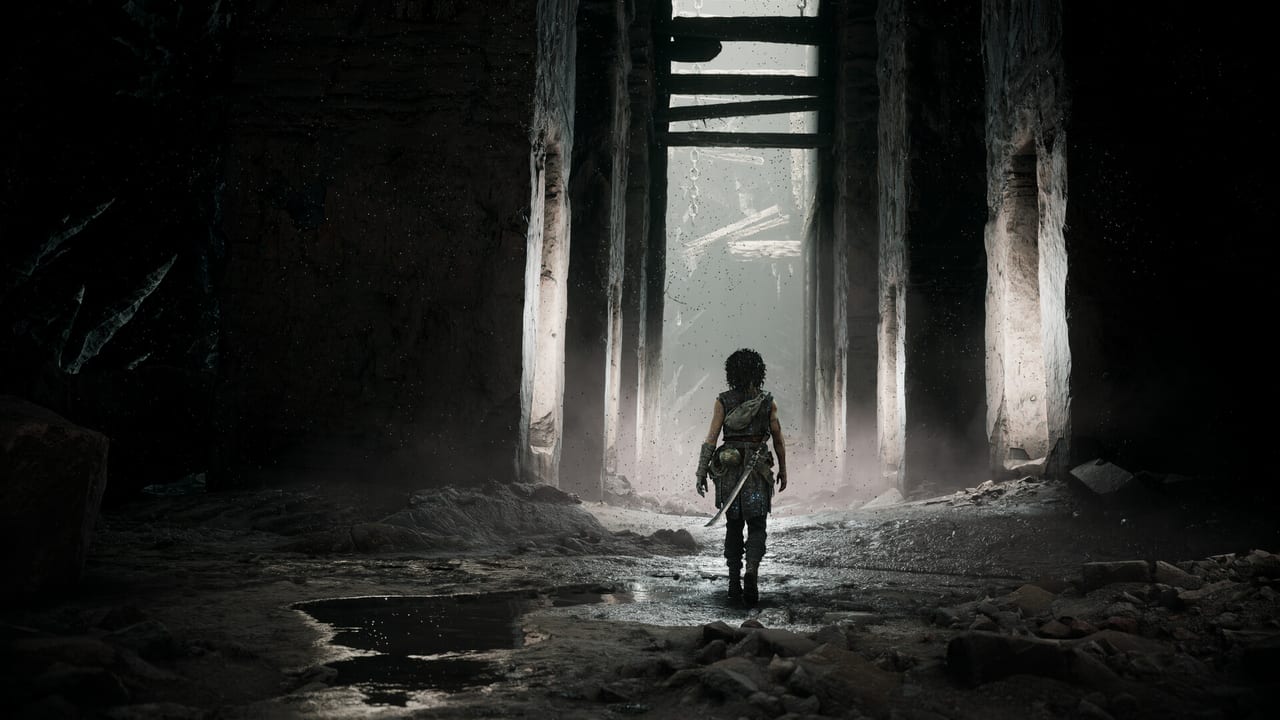
This page spoils Resonance: A Plague Tale Legacy from the convent to the credits. If you have not finished Chapter 14, What Remains, stop and use the chapter walkthrough or the Minotaur fight notes instead. Mechanical routing stays on those pages. What follows is the story the island was hiding.
Resonance is a standalone prequel set in 1334, fifteen years before A Plague Tale: Innocence. You do not need the earlier games to finish it. You do need them if you want the last five hours, and the post-credits scene, to land with the weight Asobo intended. GameSpot’s review made that split explicit: the Macula reveal hits like a freight train for series players and can feel unmoored for newcomers.
What the campaign is actually about
Child Sophia is held in a convent and force-fed a tarry substance that gives her visions of a sun-bleached island, an armoured soldier, and a giant Minotaur statue. Her father Alec, a plunderer-camp captain, and his ally Faro break her out. Alec leads the crew that raised her. Faro is not her father; he is the lieutenant who later takes the book, the plan, and the blame.
Alec sails for the island and does not come back. Faro tells Sophia the crew “paid the island’s price.” Years later, adult Sophia and Leni steal a Minoan sphere during a Venice carnival raid that destroys the den. They sail to Minotaur Island to find the treasure, the key, and whatever of Alec remains. An army follows them for the same prize.
The island is a Daedalus machine. Light is a lock. The sphere is the key. Dual-timeline sequences drop you into the Minoan past as Theseus, who is not the clean mythic hero from schoolbooks. In Resonance he is a gladiator climbing King Minos’s trials with a secret arrangement with Daedalus. Events in that past rewrite rooms in 1334. That is the design, not a cutscene gallery.
The second half, without flinching
Mid-game chapters (From Hell It Rose through Death It Sowed) are trials, charm density, and the first long looks at the beast in the dark. Chapter 8, Resonance, is a story hinge with no collectables. Night Has Come is the chapter every walkthrough flags: a chase, lanterns, and a melee fight with Faro after a hard beat involving Leni. Read that chapter in-game before you hunt quotes.
Chapter 11 is titled Patera, Greek for father. Chapter 12, Fading Light, sends Sophia along a beam toward the beast’s heart and the labyrinth. A vision puts you in control of Ariadne. You fight her father, Minos, with Theseus’s verbs. The fight does not save her. Minos kills his own daughter. Daedalus, in defiance, plunges the arena into darkness. The beast that hunts the island is revealed as Ariadne’s brother — Asterion, the Minotaur of this telling, not a costume and not a rat swarm.
Chapter 13: As One
The finale is a light-and-grapnel fight, not a twenty-minute health-bar duel. A giant sphere fires at the Minotaur’s blue heart. Blue patches and additional heads appear; keep the beam on them. When Ariadne tells you to run, stand on the platforms beside the statue’s head and yank both sides down with the grapnel. The statue crumbles. A pedestal with Ariadne closes the chapter. Eurogamer’s Chapter 13 walkthrough is the room-by-room version; this paragraph is the boss logic.
The lore prize is the Prima Macula’s ancient history. Resonance argues that the curse on Crete, the beast in the labyrinth, and the plague that will later ride Hugo de Rune are the same wound seen from two centuries. If that sentence is opaque, play Innocence and Requiem, then replay Patera through What Remains. The game will not pause to teach the Carrier and Protector cycle.
Chapter 14 and the post-credits scene
What Remains is the epilogue. Sophia leaves the island carrying answers, grief, and the person she will be when Requiem’s crew meets her. After the credits, the campaign is revealed as a story she has been telling to one listener: Amicia de Rune. Polygon’s post-credits write-up places the scene during Requiem. Amicia’s haircut and fresh scar pin it to the end of that game, after Hugo’s death and before the healed-scar time jump where Amicia and Sophia prepare to hunt the next Carrier.
The Macula returns in a new Carrier roughly every eight hundred years. Requiem already teased a much later hospital birth. Resonance’s sting does not announce a numbered sequel. It frames Sophia’s island as the story she owed Amicia, and it leaves the door open for both a future Carrier tale and more of Sophia’s sea years.
How to read this without wrecking a first run
Play the campaign once for the people. Use collectibles only if you are already hunting 165 Resonance Points. Come back here after What Remains. Then open Theseus and Leni if you want biographies instead of plot. The review roundup stays spoiler-light on purpose.
Resonance is not a secret-ending game. There is no New Game+ fork and no alignment meter. The only missable story is the one you skip by leaving the island before the credits finish rolling.
Frequently Asked Questions
Quick answers to the most common questions.
Does Resonance have multiple endings?
No. One campaign ending, then a post-credits scene with Amicia. Difficulty does not change the plot.
Do I need Requiem to understand the finale?
You can finish the game without it. The Macula reveal and the Amicia sting are built for people who already know Hugo's story.
Who is the Minotaur?
In this telling, Asterion, Ariadne's brother, bound into the island's curse. The Chapter 13 statue fight is how Sophia reaches the heart of that myth.
When is the post-credits scene set?
During A Plague Tale: Requiem, after Hugo's death and before Amicia's scar has healed. Sophia is recounting the island to her.